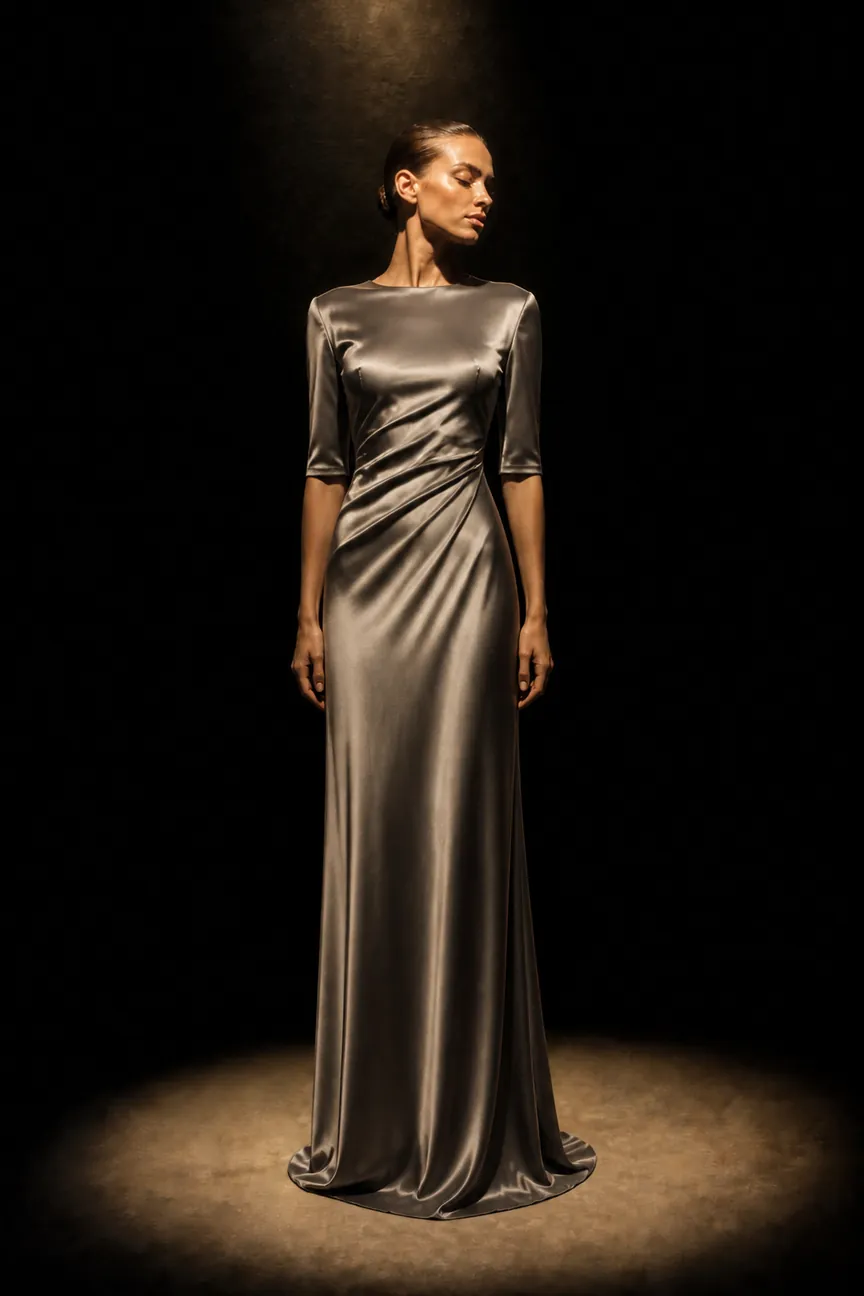
The house
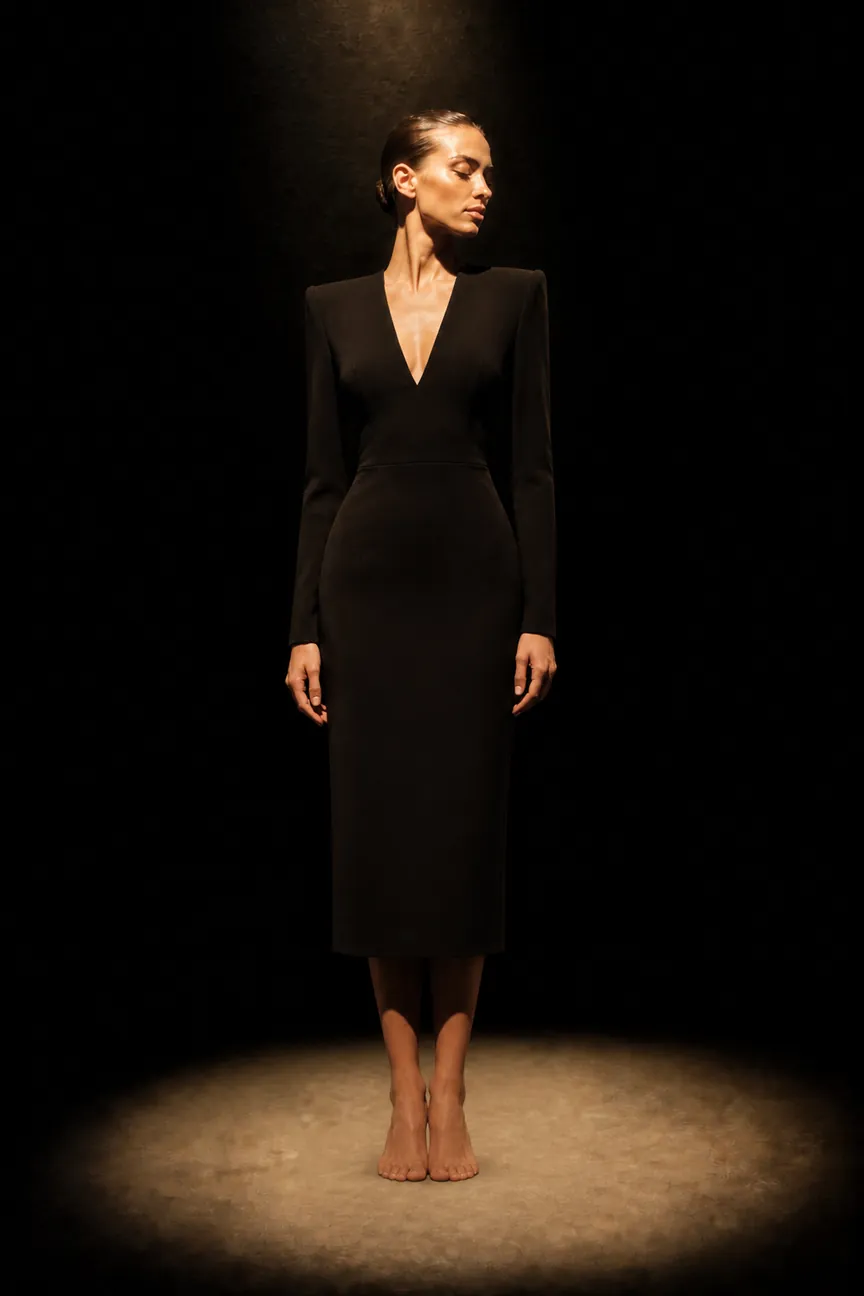
ORLÈVANE began the way most French houses do — small, stubborn, and certain that a dress should outlive the woman's mood that bought it. In 2001, three seamstresses and a single cutting table opened above a boulangerie that is, improbably, still there. Every ORLÈVANE dress is still fitted twice in muslin before a single length of the real cloth is touched — a habit the ateliers of Paris call l'essayage.
Twenty-five years
- 2001The atelier opens: three seamstresses, one cutting table.
- 2007First partnership with a family silk weaver near Lyon.
- 2013A dedicated toile room is built for the muslin fitting stage.
- 2019Two decades of house patterns catalogued by hand.
- 2026Twenty-five years. The table has moved twice; the conviction has not.
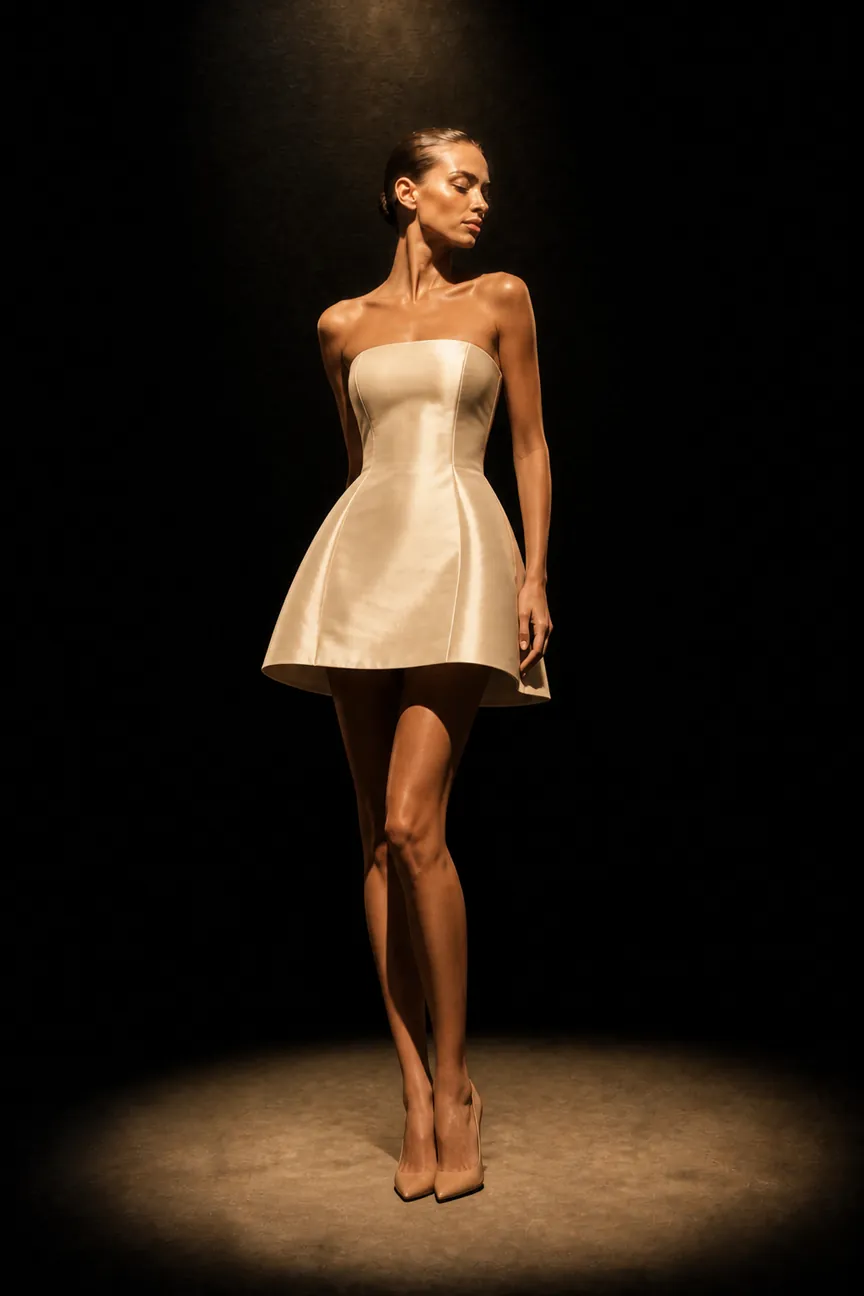
Savoir-faire
- Le drapé
- Fabric cut on the bias, left to hang a full day before the first stitch.
- La main
- Hems rolled and finished by hand, about nine hours per dress.
- Le geste
- Buttons cut from mother-of-pearl, set by the same two ateliers since the house's second year.